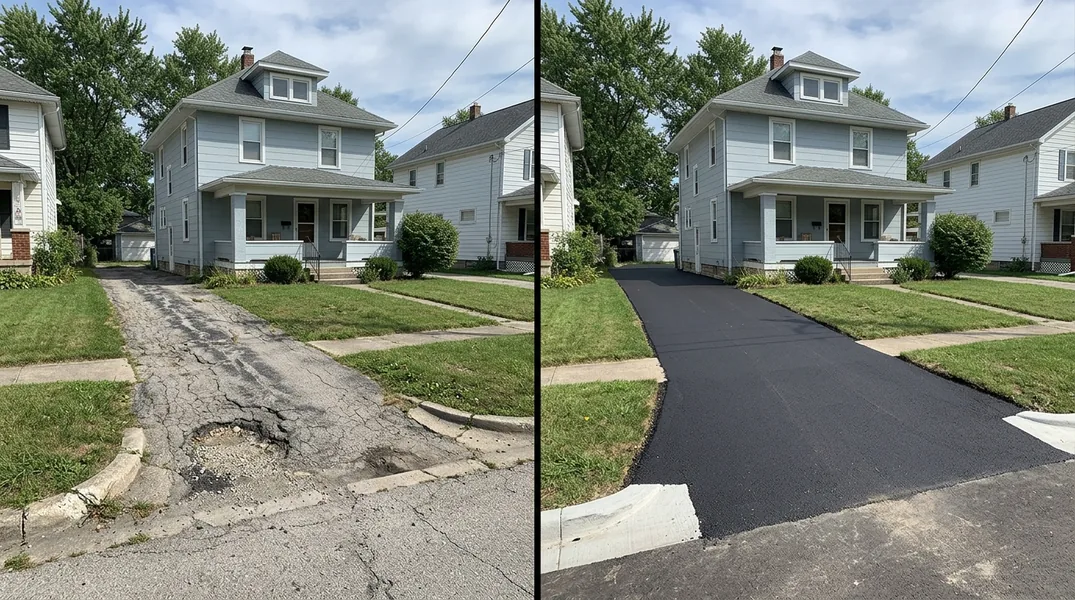
Signs Your Driveway Needs Attention
Your driveway is one of the hardest working surfaces on your property. It endures constant traffic, temperature swings, moisture, and the weight of vehicles day after day. Over time, even the best asphalt develops wear patterns that signal it's time for action. Recognizing these early warning signs can save you thousands of dollars in the long run.
The most common indicators that your driveway needs professional attention include visible cracks, potholes, fading color, and surface deterioration. Small hairline cracks might seem minor, but they allow water to seep beneath the surface, where it weakens the base layer and accelerates damage. If you notice cracks spreading across your driveway or potholes forming, it's time to consider Driveway Repair or Pothole Repair & Asphalt Patching before the problem worsens. In Lafayette, where freeze-thaw cycles are common, water damage beneath the surface is a leading cause of driveway failure.
Understanding How Long for Asphalt to Cure
When you invest in a new asphalt driveway, understanding the curing process is essential for protecting your investment. Many homeowners assume their new driveway is ready for full use immediately after installation, but asphalt actually goes through a gradual curing process that takes time. The initial set may feel firm to the touch within 24 to 48 hours, but the asphalt continues to harden and strengthen for weeks afterward.
The complete curing timeline depends on several factors, including temperature, humidity, and the thickness of the asphalt layer. In ideal conditions, you can expect how long for asphalt to cure to range from 6 to 12 months for full strength, though the surface becomes increasingly durable much sooner. During the first few weeks, the asphalt is still relatively soft and susceptible to damage from heavy loads, sharp objects, and intense heat. This is why proper new asphalt driveway care during the curing period is so important. Avoiding parking in the same spot repeatedly, keeping heavy vehicles off the surface, and protecting the driveway from extreme conditions will help ensure your investment lasts for decades.
How Long Before You Can Drive on New Asphalt
One of the most frequently asked questions homeowners have is how long before you can drive on new asphalt. The short answer is that light vehicle traffic can typically resume within 24 to 48 hours, but this depends on weather conditions and the specific installation. If temperatures are cool and humidity is low, the asphalt will set more quickly. Conversely, if installation occurs during hot, humid weather, you may need to wait a bit longer before putting weight on the surface.
For the first week or two, it's best to limit traffic to light vehicles and avoid parking heavy trucks or RVs on the new surface. Sharp turns, rapid acceleration, and heavy braking should also be minimized during this period, as these actions can cause the asphalt to shift or tear before it's fully cured. Lafayette Asphalt Paving recommends waiting at least 48 hours before driving on newly installed asphalt, and ideally, avoiding heavy use for the first 7 to 10 days. The longer you can give the asphalt to cure undisturbed, the stronger and more durable your driveway will be. If you have questions about your specific situation, the professionals at Lafayette Asphalt Paving can provide personalized guidance based on your installation date and local weather conditions.
New Asphalt Driveway Care: Maintenance Essentials
Proper maintenance is the key to extending the life of your asphalt driveway and avoiding costly repairs. New asphalt driveway care begins immediately after installation and continues throughout the life of the surface. One of the most important steps is sealing, which protects the asphalt from UV rays, moisture, and chemical damage. Many homeowners ask how often to seal driveway surfaces, and the answer is typically every 2 to 3 years, depending on traffic and climate conditions.
Beyond sealing, regular cleaning and prompt repair of small damage can dramatically extend your driveway's lifespan. Remove debris, leaves, and standing water regularly, as moisture is the enemy of asphalt longevity. Fill small cracks as soon as they appear to prevent water from infiltrating the base layer. In West Lafayette and the surrounding areas, the combination of winter salt, spring moisture, and summer heat makes proactive maintenance especially important. By investing in routine care now, you'll avoid the need for expensive Asphalt Resurfacing & Overlay or full replacement down the road.
How Often to Seal Driveway: A Maintenance Schedule
Sealing your driveway is one of the most cost-effective ways to protect your asphalt investment. The question of how often to seal driveway surfaces is important because the answer directly impacts how long your driveway will last. Generally, you should seal your driveway every 2 to 3 years, though some driveways in high-traffic or harsh climates may benefit from more frequent sealing. The first seal coat should be applied 6 to 12 months after the driveway is installed, once the asphalt has fully cured and any loose material has been worn away.
The frequency of sealing depends on several variables, including the amount of traffic your driveway receives, local weather patterns, and the quality of the initial installation. Driveways in areas with heavy freeze-thaw cycles or intense UV exposure may need sealing more often. After each winter in Lafayette, inspect your driveway for new cracks or damage. If you notice significant deterioration or if it's been more than 3 years since the last seal coat, it's time to schedule a professional evaluation. Lafayette Asphalt Paving can assess your driveway's condition and recommend the best maintenance schedule for your specific situation. Call (765) 523-8939 to discuss your driveway's needs and learn more about our sealing services.
Repair vs. Replace: Making the Right Decision for Your Lafayette Driveway
When your driveway shows signs of age or damage, one of the biggest decisions you'll face is whether to repair or replace it entirely. This decision depends on several factors, including the extent of the damage, the age of the driveway, and your budget. If your driveway is relatively young (less than 10 years old) and damage is limited to a few cracks or small potholes, repair is usually the most economical choice. Asphalt Driveway Paving & Installation professionals can patch problem areas and extend the life of your driveway at a fraction of the cost of replacement.
However, if your driveway is 15 to 20 years old, has widespread cracking, multiple large potholes, or significant surface deterioration, replacement may be the better long-term investment. A full replacement gives you a fresh, durable surface with a new warranty and years of reliable service ahead. The pricing for repairs versus replacement varies based on the scope of work and your driveway's specific condition. To help you make an informed decision, Lafayette Asphalt Paving offers a free evaluation of your driveway. Contact us at (765) 523-8939 or request a free estimate today. Our team will assess the damage, explain your options, and help you choose the solution that offers the best value for your situation.
Looking for a professional asphalt paving contractor in Lafayette? Lafayette Asphalt Paving responds fast for all your asphalt paving needs.
Get a Free Quote