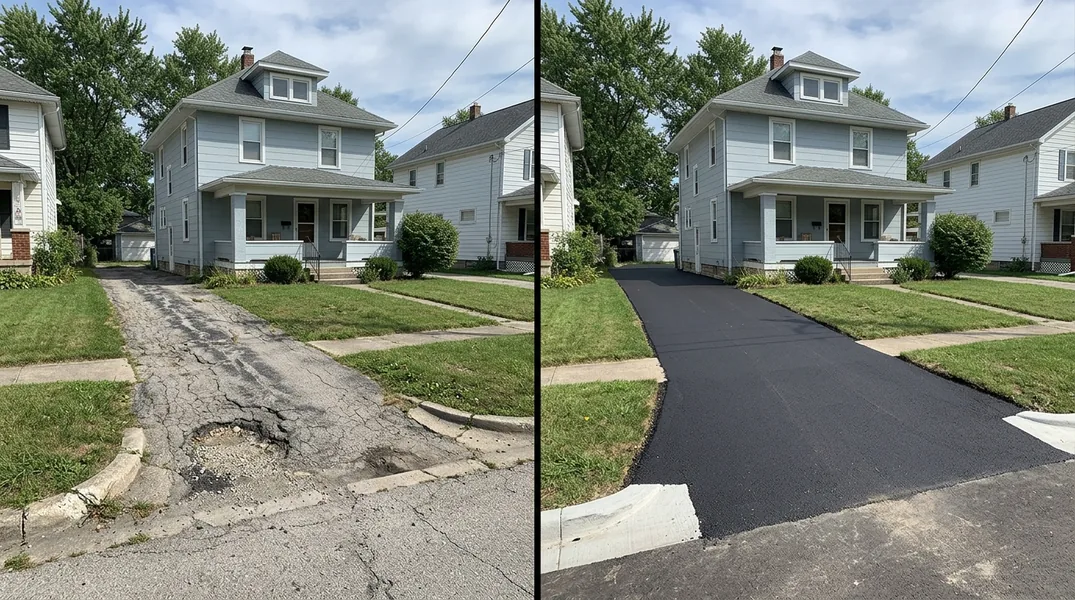
Understanding Lafayette's Harsh Winter Climate
Lafayette experiences challenging winter conditions that put significant stress on driveway materials. The region's freeze-thaw cycles, where temperatures swing above and below freezing repeatedly, create a demanding environment for any surface you choose. When water seeps into cracks and then freezes, it expands with tremendous force, pushing outward and widening those cracks further. This cycle repeats throughout the winter months, causing accelerating damage to whatever material covers your driveway.
Homeowners in Lafayette need to understand how their driveway choice will perform under these conditions. The decision between asphalt and concrete isn't just about initial appearance or upfront cost. It's about selecting a material that will stand up to the seasonal stresses your region throws at it year after year. Both materials have strengths and weaknesses when it comes to frost damage, and understanding these differences is critical before you invest in a new driveway.
How Concrete Driveways React to Freeze-Thaw Cycles
Concrete is a rigid, inflexible material that doesn't adapt well to the expansion and contraction caused by freeze-thaw cycles. When water penetrates concrete through cracks or porous areas and then freezes, the ice has nowhere to go. The expansion pressure builds up inside the concrete itself, causing the surface to crack, spall (flake away in chunks), and eventually break apart. Once spalling begins, it accelerates quickly because each freeze-thaw cycle creates more damage and more places for water to enter.
Another significant issue with concrete is that it's prone to salt damage. Road salt, which is commonly used to de-ice driveways and roads in cold climates, chemically attacks concrete over time. The salt works its way into the porous structure of the concrete and causes deterioration from within. Even well-maintained concrete driveways in harsh winter regions typically last 25 to 30 years before major repairs become necessary. In Lafayette, where winter maintenance is a regular part of life, concrete's vulnerability to salt and freeze-thaw damage is a real concern for long-term durability.
Why Asphalt Handles Frost Better Than Concrete
Asphalt has a fundamental advantage over concrete when it comes to freeze-thaw resistance: it's flexible. Unlike rigid concrete, asphalt can expand and contract slightly with temperature changes, reducing the stress that builds up in the material. When water freezes within asphalt, the material can accommodate that expansion without cracking as readily. This flexibility is one of the key reasons why Asphalt Driveway Paving & Installation is so popular in regions with cold winters and freeze-thaw cycles.
Additionally, asphalt is less porous than concrete in its properly sealed state, which means less water infiltration in the first place. A well-maintained asphalt surface with proper sealing keeps water from penetrating deeply into the material. Even when minor cracks do develop, asphalt is easier and more cost-effective to repair than concrete. Pothole Repair & Asphalt Patching can address damage quickly before it spreads, whereas concrete spalling often requires larger, more expensive repairs. For homeowners in cold climates, asphalt's frost tolerance is a significant practical advantage.
Asphalt Driveway Lifespan: What to Expect in Cold Climates
The asphalt driveway lifespan in regions with harsh winters typically ranges from 15 to 20 years with proper maintenance. This might sound shorter than concrete's lifespan, but the story is more nuanced. Asphalt driveways can be maintained and extended through regular sealing and timely repairs, making them more forgiving over their lifetime. When damage does occur, repairs are straightforward and affordable, so you're not facing the choice between expensive fixes or living with a damaged surface.
The key to maximizing your asphalt driveway lifespan is consistent maintenance. Seal coating every two to three years protects the surface from water infiltration and UV damage. Addressing cracks and small potholes promptly prevents them from expanding into larger problems during freeze-thaw cycles. Many homeowners find that the combination of lower repair costs and the flexibility of asphalt makes it the better long-term investment compared to concrete, even if concrete initially seems more durable. A well-maintained Asphalt Resurfacing & Overlay can even extend your driveway's life by another 10 years or more.
Can You Put Asphalt Over Concrete? The Overlay Solution
Many homeowners with existing concrete driveways ask whether they can install asphalt over the concrete surface. The answer is yes, and asphalt over concrete driveway installations are a practical option in many situations. This approach can be more cost-effective than removing the concrete entirely and starting fresh. The concrete serves as a stable base, and a new layer of asphalt is applied on top. This solution works particularly well if your concrete is still structurally sound but showing signs of freeze-thaw damage or simply looking worn.
However, there are important considerations before proceeding with an asphalt overlay. The concrete surface must be properly prepared and cleaned. Any significant structural damage to the concrete underneath should be addressed first, because problems in the base will eventually show through the new asphalt layer. Additionally, an asphalt overlay adds height to your driveway surface, which might affect drainage or create transitions at the garage or street. The professionals at Lafayette Asphalt Paving can evaluate your specific situation and recommend whether an overlay makes sense for your property. If you're considering this option, contact us for a free estimate to discuss your concrete driveway and what's possible.
Asphalt vs. Concrete Driveway Cost and Maintenance in Lafayette
When comparing asphalt vs concrete driveway options, the initial installation cost is typically lower for asphalt. However, the true cost comparison must factor in maintenance over the driveway's lifetime. Concrete requires less frequent maintenance initially, but when damage does occur, repairs tend to be expensive and often involve replacing large sections. Asphalt requires more regular maintenance such as seal coating and crack filling, but these preventive measures are relatively inexpensive and keep your driveway in good condition.
For homeowners in West Lafayette and surrounding areas, the freeze-thaw cycle reality makes asphalt's maintenance-focused approach more economical over time. A blacktop driveway that receives proper seasonal care will outperform a neglected concrete driveway every time. When you factor in the cost of Driveway Repair and the disruption of dealing with a damaged surface, asphalt's lower repair costs become a significant advantage. To understand what your specific project would cost and what maintenance schedule makes sense, reach out to Lafayette Asphalt Paving at (765) 523-8939 for pricing information tailored to your driveway needs.
Looking for a professional asphalt paving contractor in Lafayette? Lafayette Asphalt Paving responds fast for all your asphalt paving needs.
Get a Free Quote